

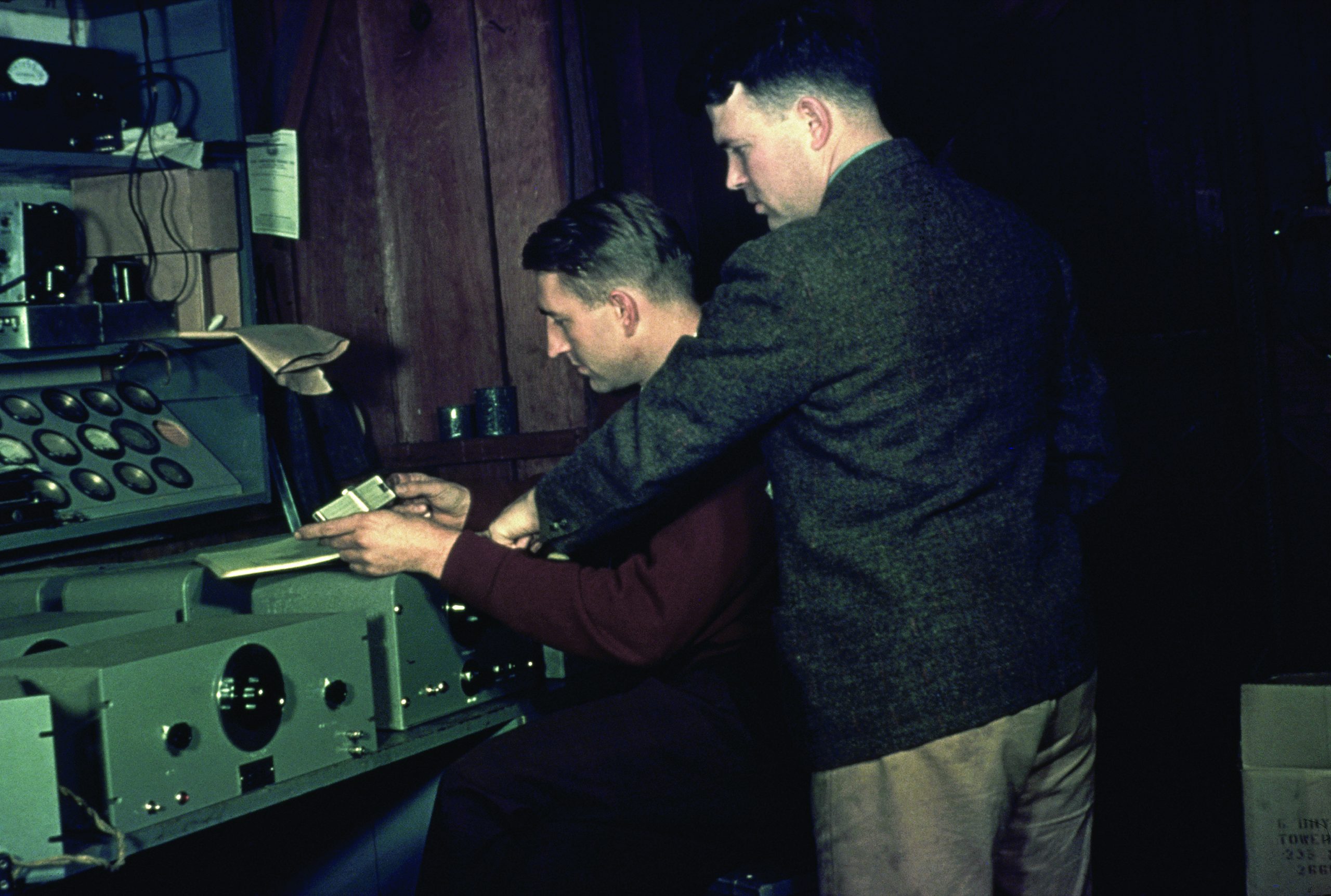
• Bill Hewlett and Dave Packard met at Stanford in the early 1930s, guided by influential professor Fred Terman.
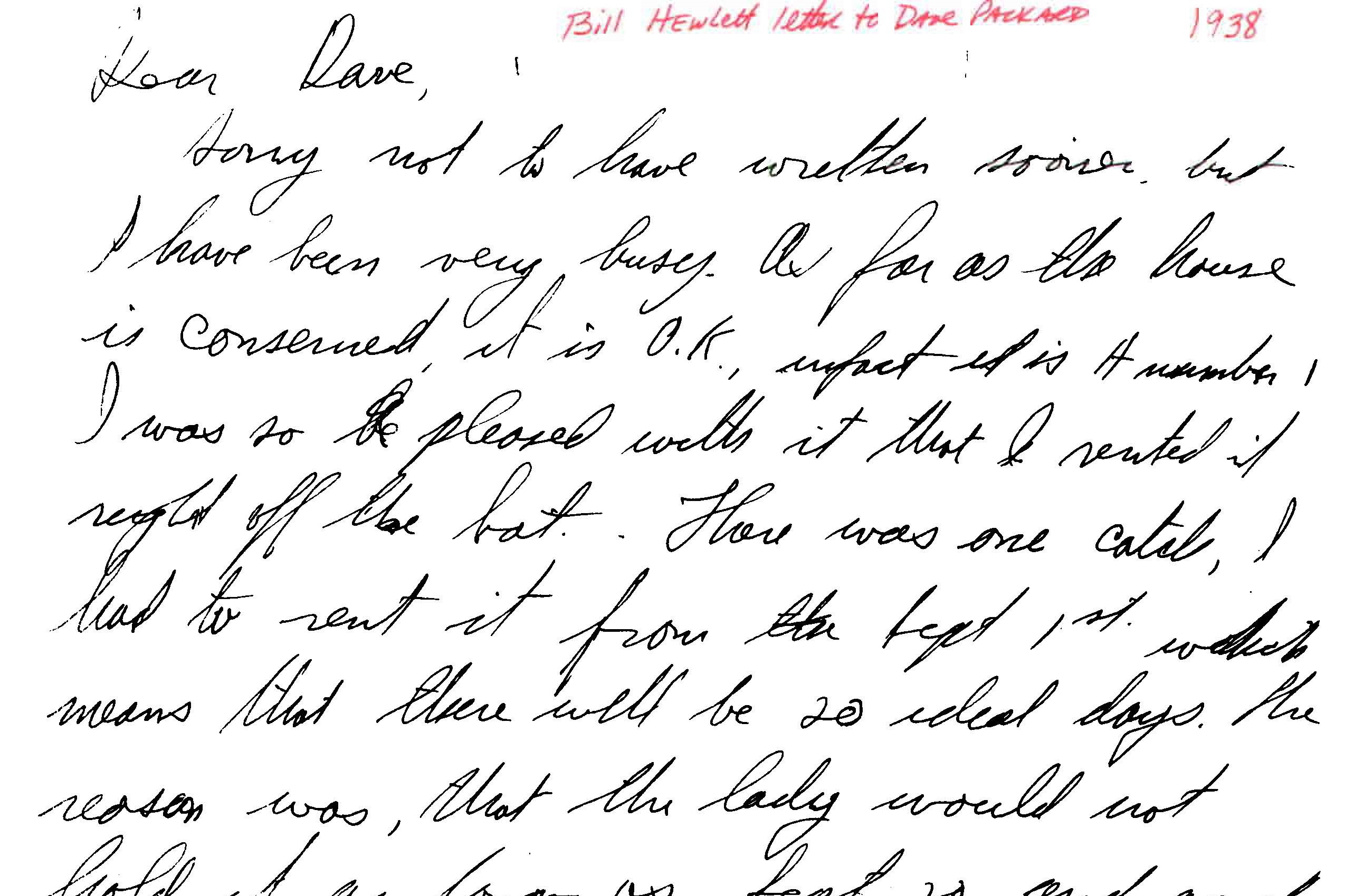
• In 1938, Bill, Dave and Lu Packard set up shop at 367 Addison Avenue, later recognized as the “Birthplace of Silicon Valley.”
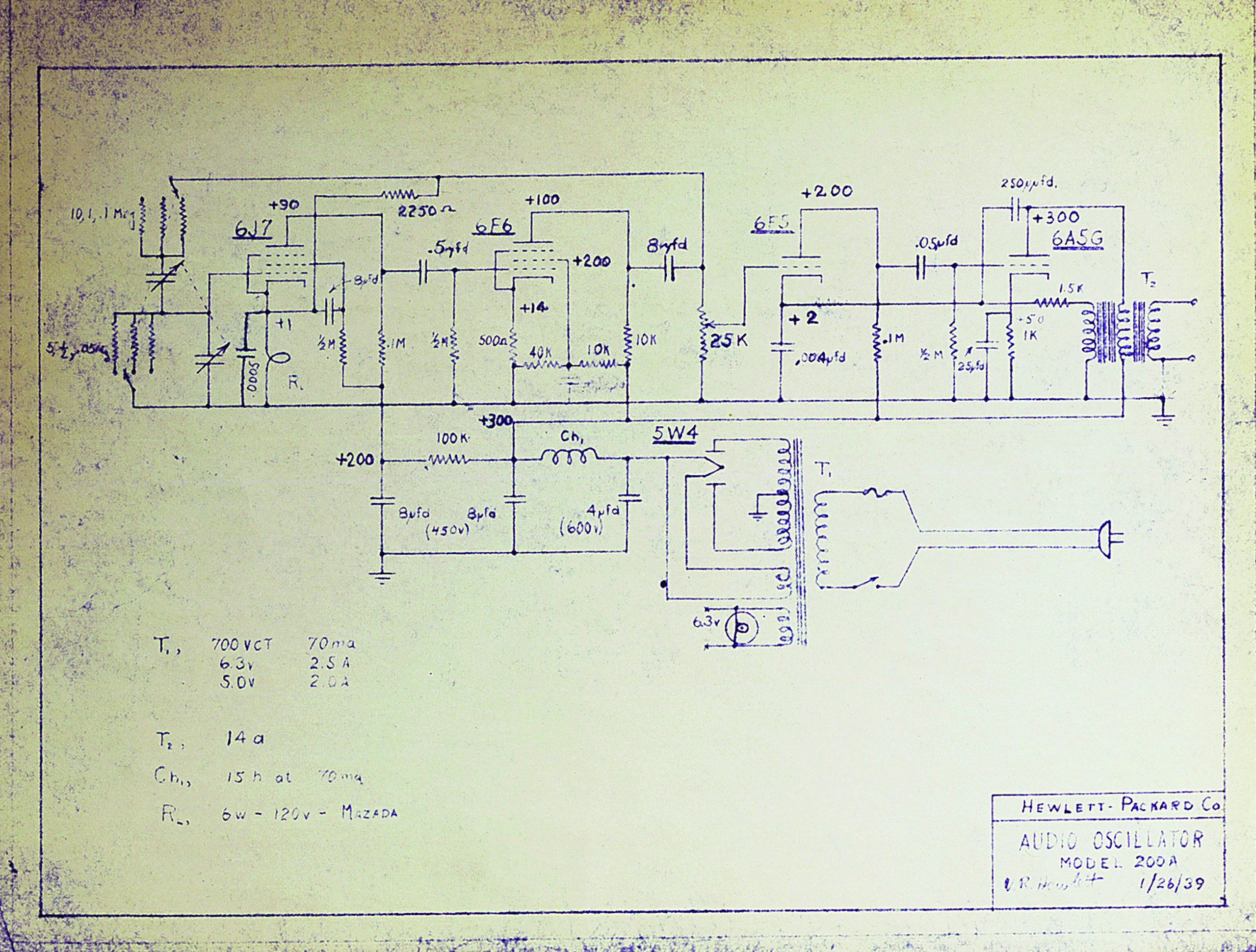
• HP’s first product, the 200A audio oscillator, combined innovation with affordability and drew early customers like Walt Disney Studios.
• Bill and Dave officially founded Hewlett-Packard Company on January 1, 1939, launching a business that reshaped American technology.
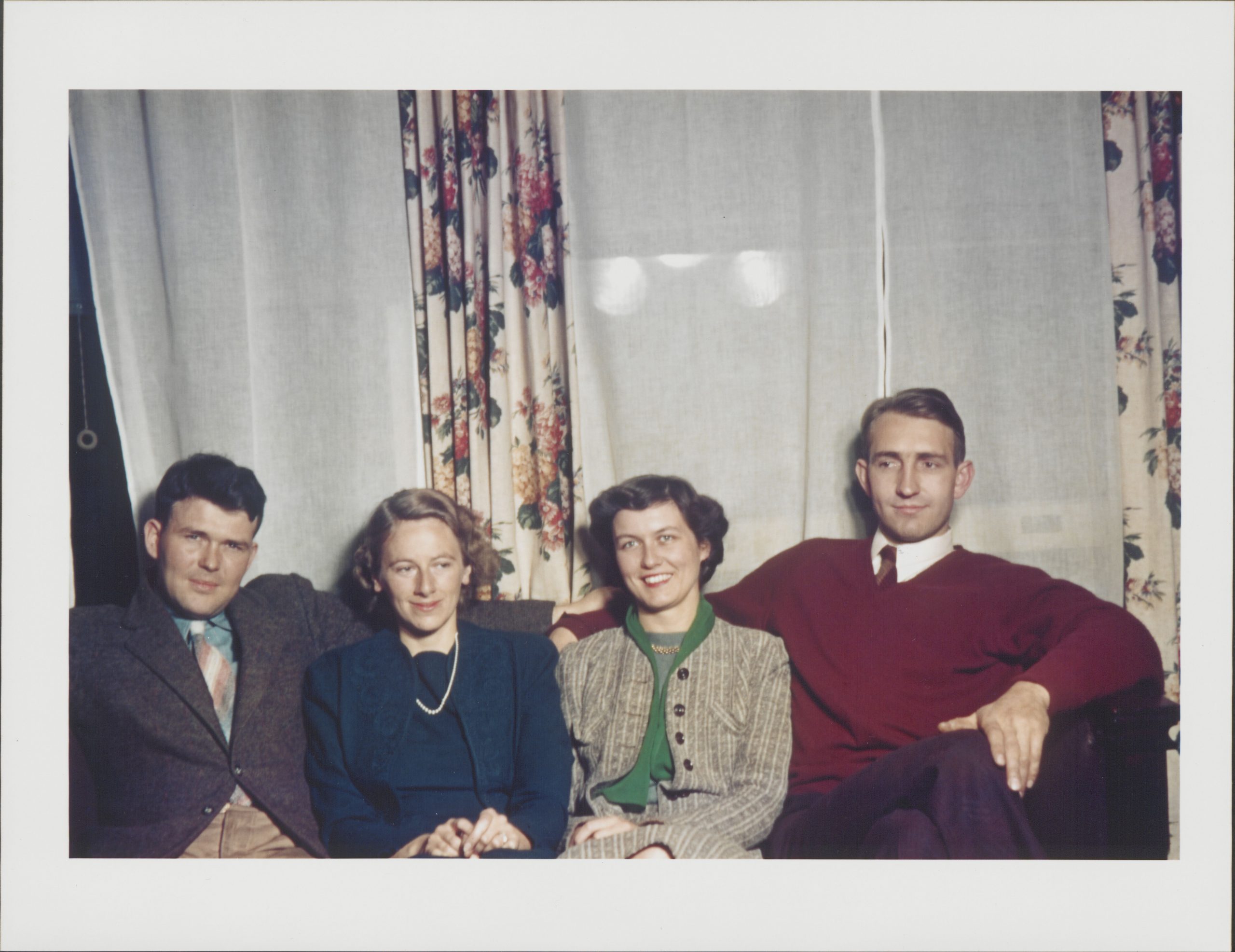
The story of Hewlett-Packard Company begins at Stanford University, where Bill Hewlett and Dave Packard studied under professor Fred Terman, an advocate for bridging academic research and industry. Terman encouraged the two to pursue their business ambitions, and by 1938, Bill, Dave and Dave’s wife Lucile “Lu” Packard had moved into 367 Addison Avenue in Palo Alto. The modest property housed them in its apartment and cottage, with the garage serving as the company’s first workshop.
From those humble beginnings, the group pursued a mix of contract projects while experimenting with new technologies. Their most significant breakthrough was Bill Hewlett’s design for a low-cost, high-precision audio oscillator. Introduced as the HP Model 200A, the device was priced well below competitors and quickly found a prominent early customer: Walt Disney Studios. Disney purchased modified versions of the oscillator for use in Fantasia (1940), including the first commercial surround-sound system in theaters. The oscillator gave the fledgling company a major contract, credibility with future customers and a product line it could expand.
On January 1, 1939, Hewlett and Packard formalized their partnership with a coin toss to determine the order of their names. The values they began shaping in the Addison Avenue garage — innovation, respect for people and a practical, human-centered approach to business — would define Hewlett-Packard for generations and cement its legacy as the birthplace of Silicon Valley. The small team’s efforts in those early years showed how a combination of technical ingenuity and shared values could transform not just one company, but an entire industry.
The Hewlett-Packard Company Archives (HPCA) is dedicated to preserving and sharing HP’s rich heritage. Look for further stories about HP’s history in future issues of this newsletter. Please note that throughout this story we have included hyperlinks to related content on the HPCA Virtual Vault, providing additional information and visual accompaniments.
If you have any questions about the archives or if you are interested in donating materials to the collection, please reach out to us at hpca@heritagewerks.com.